



Please tell us a little about yourself, your publication and the story behind your vegetable garden.
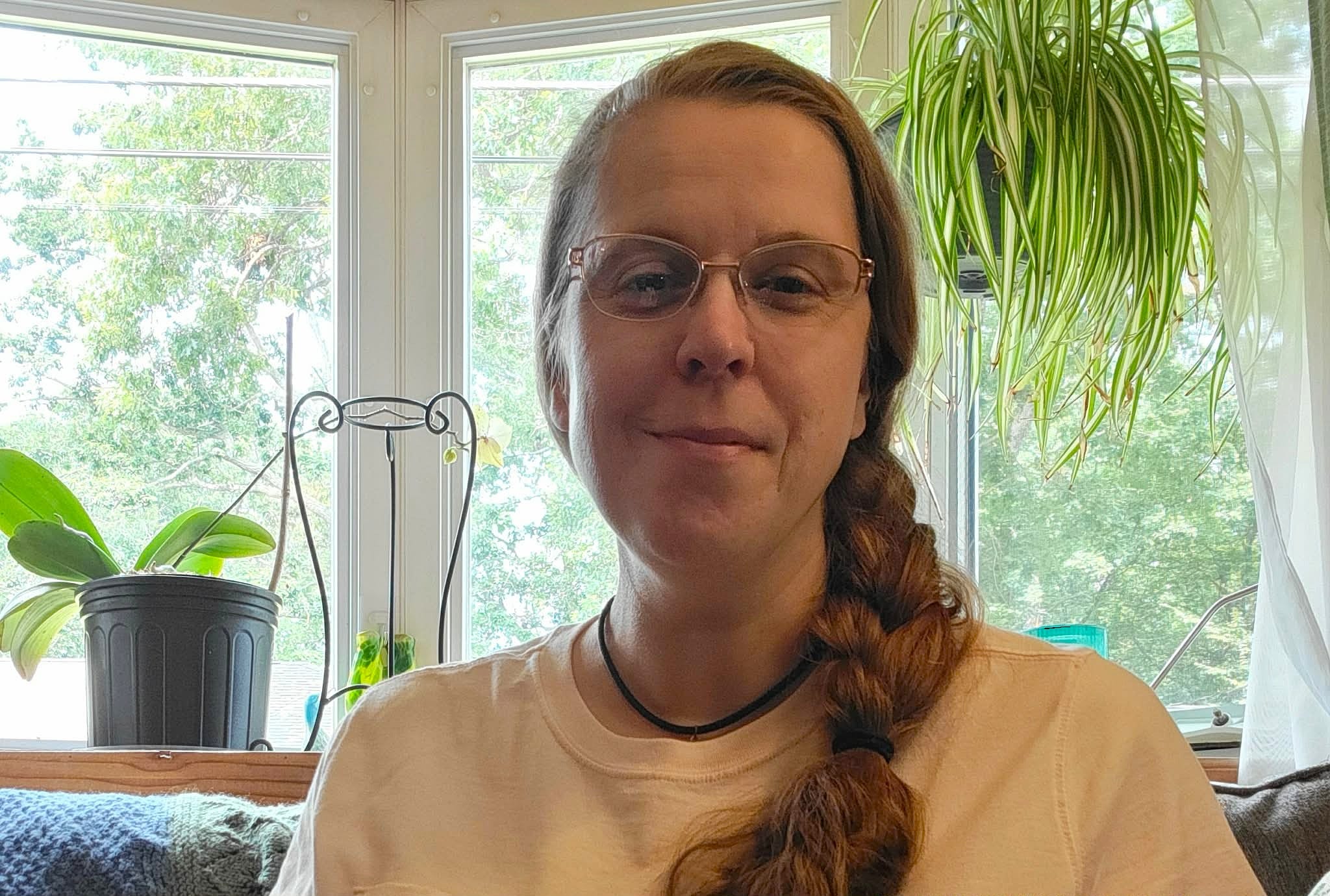
Hi, I’m Mary, a professional cook and baker, and an amateur gardener, living in New Jersey, USA. Years spent in professional kitchens taught me the importance of having the freshest ingredients available, and growing my own food allows me to bring those flavors home. My Substack, The Cozy Vegetarian, came out of a desire to share my recipes for plant-based seasonal comfort food. Substack has been a perfect creative outlet for me, as it combines my love of cooking, baking, gardening, and community.
How long have you been growing your own food and what does your garden look like today?
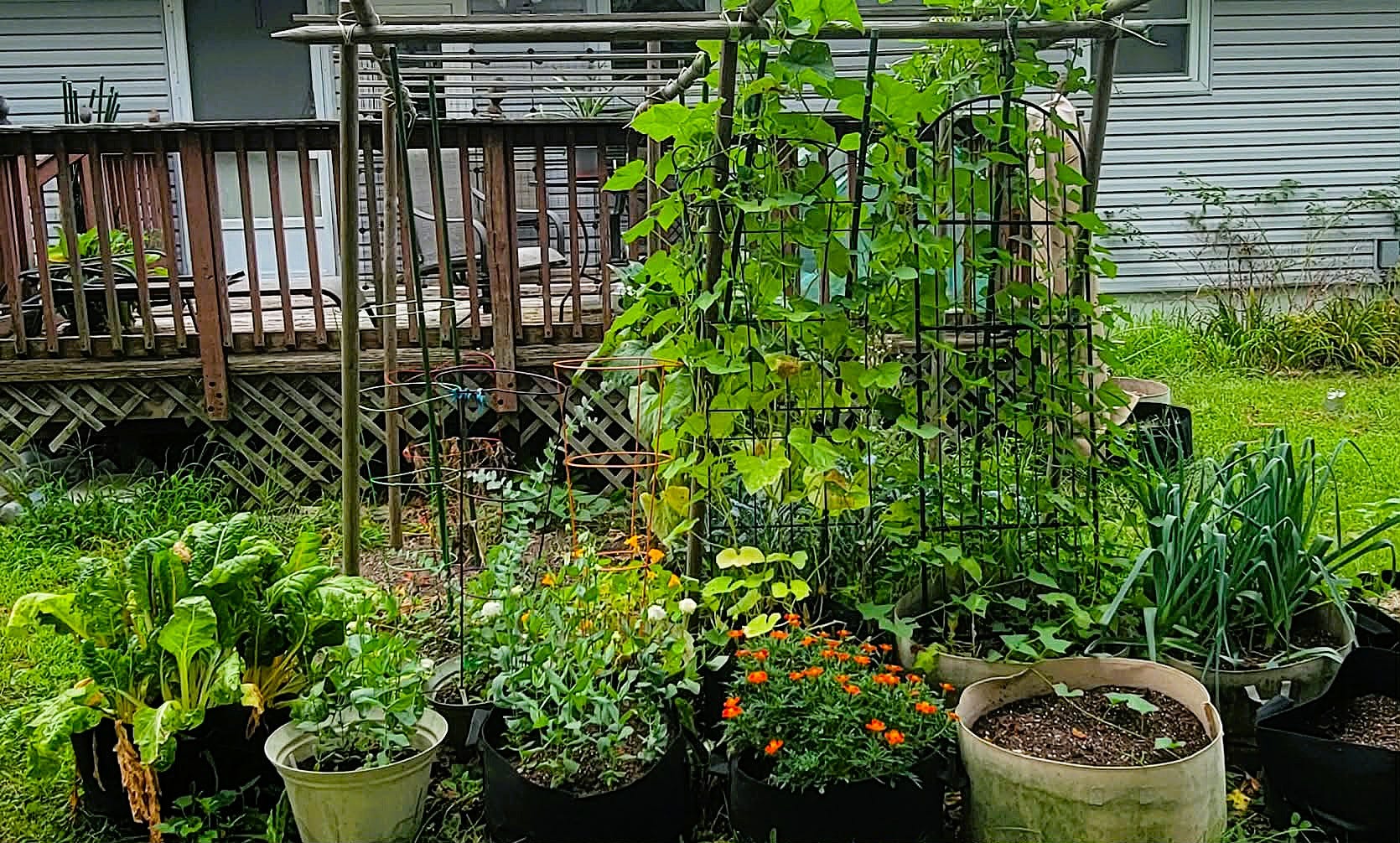
While I’ve always grown basics like tomato plants and herbs, I started gardening in earnest in 2016. I was living in Missouri at the time, in a rental property that would not allow me to plant anything in the ground. I learned everything I could about container gardening, and was able to grow a wide variety of vegetables in pots on my patio. Although I now own my home and can plant in-ground, my yard has many areas where the sunlight changes from full sun to shade depending on how leafed out the trees are. So while many of my plants are grown in-ground, I still do quite a bit of container gardening. I use grow bags now, however, as opposed to large pots. Grow bags are much bigger and allow roots to grow deeper than they would in pots. I love it because I can move the bags around depending on how much sunlight a certain area of my yard gets. It also makes it a lot easier to keep weeds out of the veggies!
Many people will say that certain vegetables should not be planted together, or that plants need a certain amount of space between them. But as a true chaos gardener, I tend to take that advice with a grain of salt. I don’t have the luxury of a large, flat spot in full sun to install a dozen raised beds. My home is very suburban, and I have neighbors close by on all sides. The shade from the neighbors’ trees limits where I can grow, and the lawn slopes and is quite uneven. Since my growing space is limited, and I grow a large variety of vegetables, things get planted wherever there is a spot. It doesn’t make for the most aesthetic garden beds, I will admit! But I’m growing food for a purpose, not an aesthetic. I save the decorative form for my flower beds.
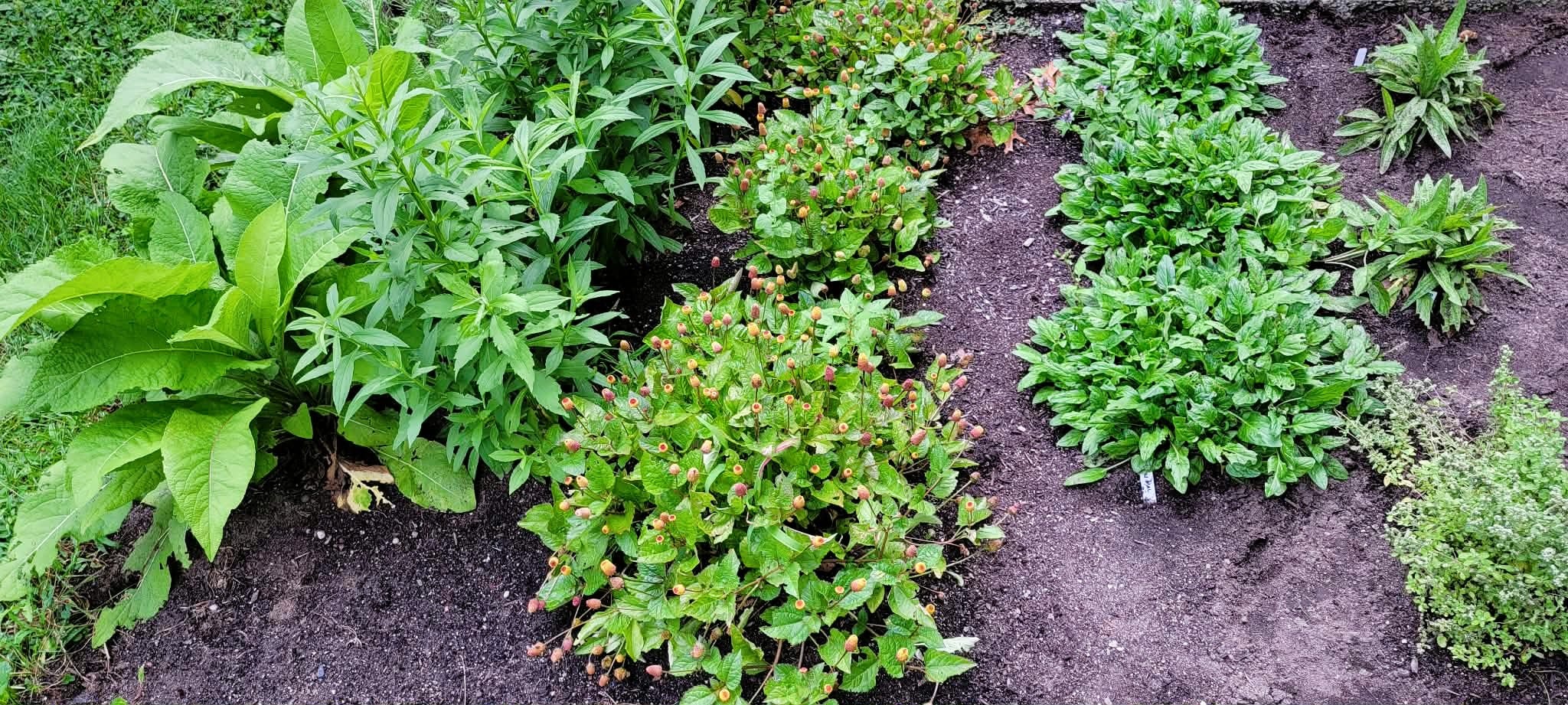
I have always grown culinary herbs, but in the last few years I started branching out into medicinal herbs as well. I am certainly not an herbalist, but I know how to make some teas and salves. Herbs grow so well, and they require very little care. I can grow them in one of my part-shade garden beds, since they’re not as particular about their sunlight needs.
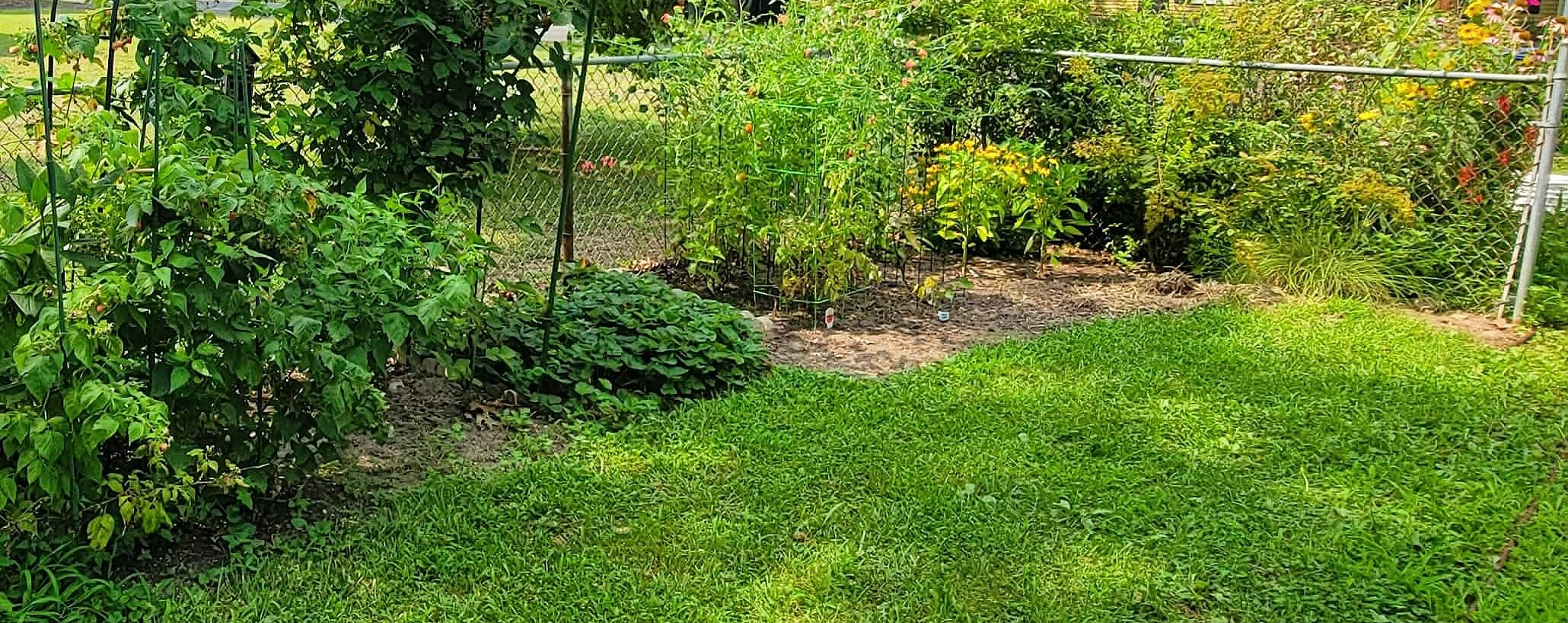
I am a big believer in interplanting flowers with vegetables to improve yields. Many plants, such as squash, cucumbers, and melons, need pollinators in order to grow fruit. Berries too, as bees help the fruit become large and plump. I have several native pollinator beds around my property, and I use them as highways to guide pollinators to the vegetable beds and berry patch. My raspberry and blackberry bushes are always swarming with bees, and I get a huge yield from such a small space. I also plant flowers like nasturtiums and marigolds, not for the pollinators, but because they act as pest deterrents by attracting beneficial insects that keep pests in check. I have found that gardening works best and is most rewarding when I work with nature rather than against it.
What varieties of vegetables and/or fruit do you grow?
Often it depends on my needs that year. I home-can and preserve quite a bit of food every year, so much of what I grow depends on what I need. If I need to replenish my tomato sauce supply, I will grow some Amish Paste tomatoes, which are larger and produce a better yield than the more popular Roma tomatoes. Similarly with cucumbers. If I am running low on pickles, I will grow pickling cucumbers in addition to standard slicing cucumbers. But there are some must-haves. I always grow garlic, tomatoes, and greens. I love greens, and eat them daily if I have them. I grow Swiss chard, spinach, kale, lettuce of all varieties, mustard greens, and turnips for both the roots and the greens. I also grow celery every year. I am not much of a fan of celery, but I have found that homegrown is less bitter than store-bought.
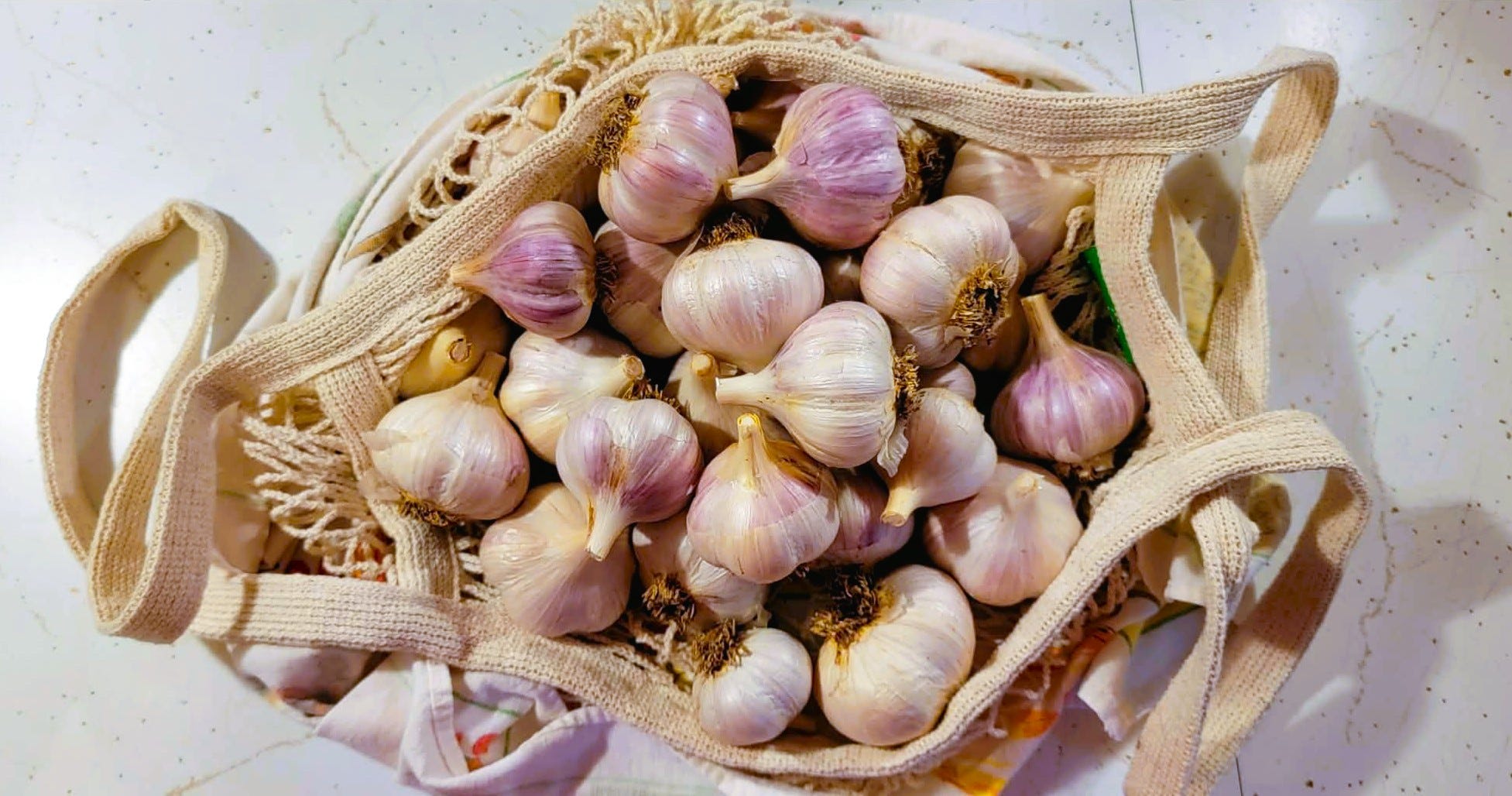
As for varieties, I look for those that will grow in my sandy, acidic soil. While New Jersey is known as the Garden State due to its vast expanse of farmlands, the area I live in is called the Pine Barrens. Barrens, because the sandy, acidic soil is not hospitable to much outside of pine trees, mountain laurel, and blueberries. My soil has been amended with compost for years so it is much improved, but it can still be difficult to grow in. As such, I tend to lean more towards hybrids than heirloom varieties. Hybrids are specially bred to have certain disease resistance or grow well in poor soil. One day, I hope to have my soil amended enough to grow heirlooms and collect seeds for growing in future years, but for now, I need the extra insurance of hybrid varieties. I start most of my vegetables from seed, so I look to see what varieties different seed companies are carrying each winter when I place my seed order. If a variety ticks all the boxes of what I am looking for, I give it a try! But I have found that Tango celery and Music garlic are top performers, so I grow those varieties every year.
What food do you grow that you are unable to find in the shops?
Garlic scapes and early green garlic are two treats I look forward to each year. They are an added bonus of growing garlic. Green garlic is garlic that is harvested in the spring, before the bulbs start to form. They look similar to leeks, but have a mild garlic flavor. Garlic scapes are the flower stalks that grow out of hardneck garlic. They get cut off before they flower, so the plant will put its energy into producing a larger bulb instead of going to seed. Garlic scapes are wonderfully fresh and crunchy, with a nice garlic punch. They are especially good in vegetable risotto.
This year I’m growing Jersey Yellow sweet potatoes, a variety grown here in New Jersey since the 1700s. It’s like a cross between a russet and a sweet potato; it has a dry, white flesh but a nutty, mildly sweet flavor similar to that of a sweet potato. Another favorite is Autumn Frost winter squash, a lovely variety named for its unique appearance. It has a deep orange skin that develops a translucent white overlay, so it looks as if it is covered in frost. It tastes sweet and creamy like butternut squash, and stores for months. I grow pattypan summer squash and harvest tomatoes while still green, and both of those get sliced and fried. If you’ve never had fried green tomatoes, you are truly missing out! I fry my pattypan squash the same way I fry my tomatoes. You can find my recipe here. Specialty herbs are probably the hardest to find in shops or at local farmstands. Culinary herbs like pineapple sage, lemon balm, and orange thyme, and medicinal herbs such as arnica and feverfew. I grow a wide variety each year, and I love the unique flavors they add to a dish or the healing balms they make.


What has been your biggest growing success and/or disaster?
My biggest success has been growing luffa squash. If you’ve ever wondered where the loofah sponges you use in the bath come from, they come from squash! Luffa is a tropical gourd that requires a very long growing season and takes about a month to germinate. I live in New Jersey, in zone 6B/7A, so definitely not tropical. (If you live in the US and are unsure of your hardiness zone, you can find yours here.) My last frost is usually mid to late April, and my first frost is usually late October to early November. While I technically have a 6-month growing window, it is not warm enough here to plant out warm-weather crops like squash, tomatoes, peppers, and eggplant until mid-May. By mid-October, though it might not frost, it is quite cold and the days are very short, so nothing really grows past the end of September. Luffa takes 5-6 months to grow to maturity, so I barely have enough time in my growing zone. When I grew Luffa, I started it indoors so it could germinate before planting out. The time to maturity listed on seed packets is after germination or transplanting. Since I transplanted seedlings, they needed 5-6 months to reach maturity. If I had planted seeds outside in the spring and waited for them to germinate, they would need closer to 7 months, because they take about a month to germinate. So by starting indoors, I extended my growing window. I was able to harvest just before the first frost came, and I ended up with a bunch of luffa sponges that can be used in the bath, kitchen, or wherever they are needed!


My biggest disaster is somewhat of an ongoing thing, centered around garden pests. On my rental property in Missouri there was no fence, and the deer would come and eat everything I grew. Just last week, I had seedlings out on my porch for fall planting, and a groundhog came along and ate them all. I’ll have to start some seeds again and see if they’ll be ready before our first frost, but I doubt I’ll get much this year. Every year I have a great crop of summer and winter squash growing, and squash vine borers destroy them. Last summer, I successfully cut them out of my pumpkin vines, but they took down all the summer squash. This year they took everything, save for one zucchini plant. I’ve tried all the tricks, but they are incessant here, and it is so hard to find and kill them all. I don’t use pesticides in my garden, so anything I use to kill bugs has to be chemical-free. But there is one saving grace: I am lucky to be surrounded by dozens of local farms, so anything that I am unable to grow, I can easily pick up at a nearby farmstand.
Which crop do you grow every year, and what is your favourite dish to make with it?
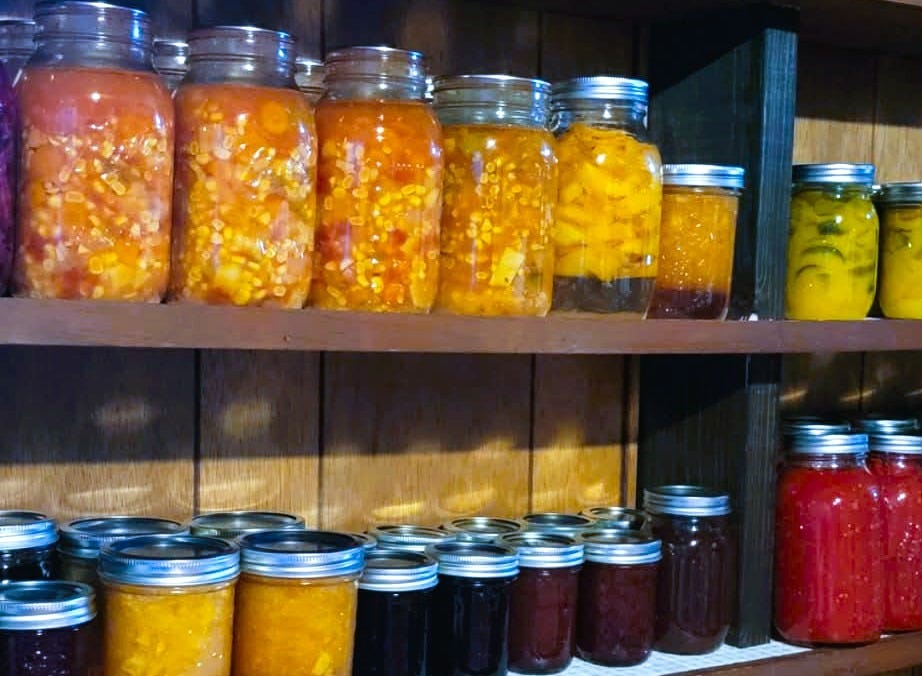
Tomatoes. Several varieties of tomatoes. I always have at least one cherry tomato plant that I can snack on while I’m outside, or add to salads. I also grow slicing tomatoes, and that variety will vary depending on how I’m feeling that year. Sometimes I’ll grow a deep purple variety like Black Beauty or Cherokee Purple, and sometimes I’ll grow a standard slicer like Beefsteak or Better Boy. But I always have several Amish Paste tomato plants. There is nothing cozier to me than a pot of tomato sauce simmering on the stove on a cold winter day, so I grow plenty of Amish Paste tomatoes to preserve for year-round use. I use my home-canned tomatoes to make tomato sauce. It’s a recipe handed down to me from my grandmother, who was a phenomenal cook. My grandfather, her husband, was Italian, so she learned to make tomato sauce just the way he liked it. It’s great as-is on spaghetti, but even better in eggplant parmigiana.
How do you plan your meals around the produce you grow?
I don’t meal plan around fresh produce as much as I grow with preservation in mind. Every winter, after the start of the New Year, I sit down and plan out that year’s garden. I inventory my food stores and determine how much of each item I will need to preserve that year. Not everything gets preserved however, and I certainly cook with my produce throughout the growing season. I don’t necessarily plan around it; I tend to just see what’s ripe, and if I don’t have a preservation project in mind for it, I eat it. Often, I make salads. I love to make warm salads, where I roast or grill some of the vegetables, and serve them over tender greens with a fresh herb vinaigrette. I also love to make veggie hummus wraps; they are great on a hot day, and surprisingly filling.
How do you manage a glut of produce? What do you make?
Since I do a lot of canning and preserving, I often plan for a glut of produce. If I grow 50 pounds of tomatoes, I can make enough tomato sauce to last the year. I get about 40 heads of garlic a year, and I will mince that up in the food processor with a little olive oil, scoop it out with a small cookie scoop onto a sheet tray lined with freezer paper, and freeze it into little balls that I can then throw in every recipe that calls for garlic. But if I have a wide array of veggies, I will make a nice vegetable chowder. I keep winter squash like butternut and Autumn Frost in storage in my basement to cook with throughout the winter, but I use my pumpkins to make homemade pumpkin puree. I store it in the freezer in 1-cup portions, and thaw it out when I’m ready to bake. It makes a wonderful pumpkin pie, like this old-fashioned one I like to make for Thanksgiving. Herbs get processed as well, since I use so many in my cooking. I harvest and dry herbs in the spring and summer, so my pantry is well-stocked for the winter. Harvesting and drying herbs is one of the easiest and most rewarding garden tasks. I’ve written a post about it here.
Do you have a compost? If so, what is the best way of getting the most out of composting and do you have any tips?
Unfortunately, I do not have a compost. In my county, compost piles must be at least 20 feet from a shared property line, and since I have neighbors on all sides, the only place I could put a compost pile would be directly outside my door. I have a local hardware store that sells fantastic bagged compost at a very good price, so that’s what I use. I amend my soil with compost twice a year. Once in the fall after all the plants are spent and the beds have been cleaned out, and once in the spring a few weeks before I start planting. However, in the fall, I do a little bit of “composting in place”. First, I clean out my garden beds. Then I take any compostable food scraps and spent plants, cut them up, and place them on the beds. Then I put some compost over them. After the leaves have fallen off the trees, I cover my garden beds with leaf mulch and add a little more compost on top to hold them in place. It’s sort of like lasagna layers. All that organic matter will break down all winter, and in the spring the soil will be well fed and teeming with worms and beneficial life. In the spring, I add more compost a few weeks before planting, and by the time I plant out my seedlings, I have wonderfully rich soil.
What is one piece of advice you would give to someone who wants to start growing their own food?
Grow a garden that suits YOU. If you try to grow someone else’s garden, you will be disappointed. There is a lot of aspirational content online about what a garden “should” look like, and what “must” be grown. Throw all that out the window and create the garden you want. If you don’t like tomatoes, don’t grow them! If you don’t really even like vegetables, and instead prefer fruits and herbs, then grow some berry bushes, fruit trees, or an herb garden. If you don’t have any sunny spots in your yard, then grow things like lettuce and herbs that require less sun. If you don’t have a yard at all, grow some of your favorite things in pots out on a balcony or in a sunny window. If you don’t have a sunny window, grow your favorites in pots under some grow lights. Embrace your needs and your space, and create something that suits them, not something that tries to be someone else’s social media masterpiece. You will find true joy in gardening if you create something that is authentically you!
Many thanks to Mary Armour for sharing her Vegetable Garden with us. If you found this article interesting, subscribe and read more at The Cozy Vegearian.
Read more in the Q&A Series.
What a gorgeous garden! I love the idea of a medicinal herb garden!
What a great read! Looking forward to more on your channel! 😀