



Please tell us a little about yourself, your publication and the story behind your vegetable garden.
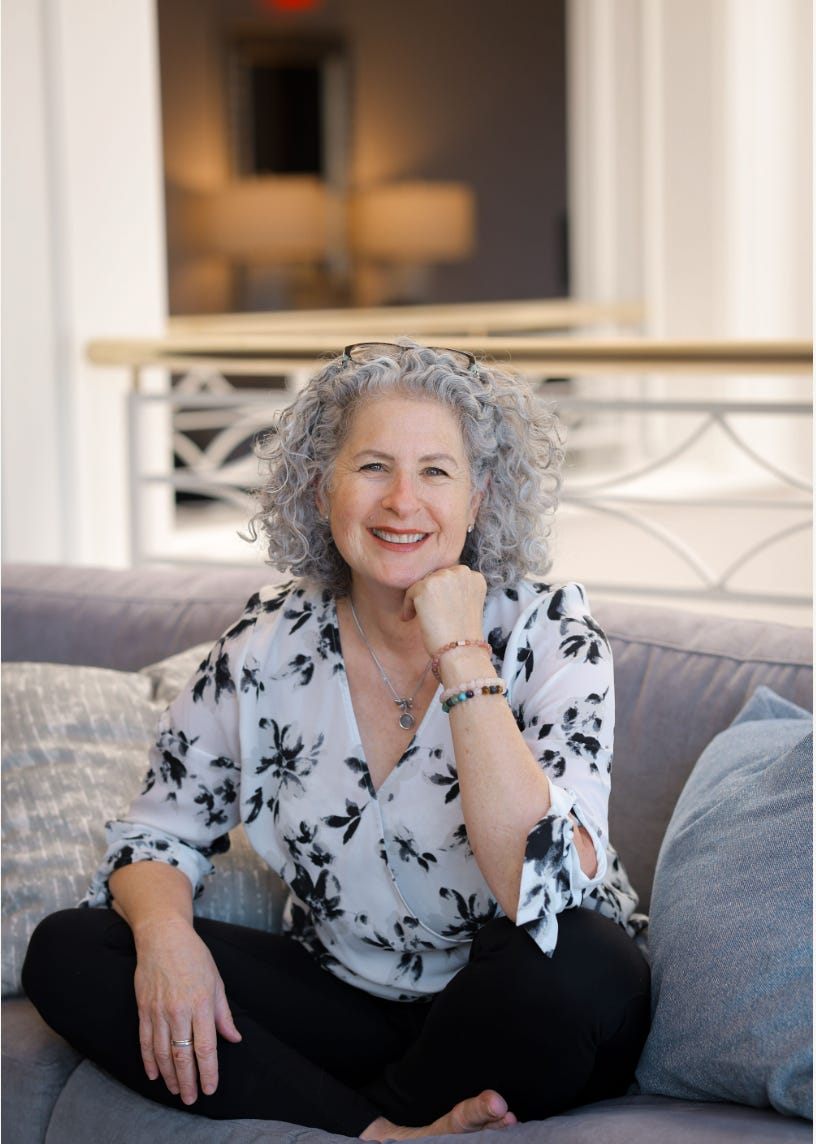
Mira: As a nutrition educator I’ve always been interested in food and helping people nourish themselves. When I began this career I discovered a fascination with what appears on the food label. Over time I became known as The Ingredient Guru. Now, years later I’ve published a book, The Pantry Principle: How to Read the Label and Understand What’s Really On Your Food - https://a.co/d/0i2fZtyi. My Substack publication shares holistic health and lifestyle information and the weekly newsletter, The Food News, is where I share blurbs about what’s happening on the food label, food politics, and more.
These days we live most of the year in Texas where I maintain a small herb garden. We’re fortunate enough to be able to escape the Texas heat and humidity by running away to the mountains of Colorado for the summer where my current vegetable garden is a small greenhouse at our off grid cabin. We put up the greenhouse last year so it’s a very new venture for us. We realized very quickly that having a greenhouse was a necessity due to the abundance of wildlife - rabbits, chipmunks, mice, ground squirrels, and deer who would be more than happy to sample the graden if given the chance.
How long have you been growing your own food and what does your garden look like today?
Mira: I’ve had at least an herb garden, and often a vegetable garden, at most of the homes we’ve owned. I started my first vegetable garden in Cleveland, Ohio over 30 years ago. It was a wonderful way to have fresh food on hand as well as a fun way to play in the dirt with our girls. Interestingly enough I tried to grow corn there and wound up growing a crop of corn smut. Not knowing what it was I ripped it all out. Now I know that it’s actually highly nutritious and has a number of functional health benefits. Sadly I’ve never been able to repeat the experience.
We’ve moved quite a few times since that first garden and have been fortunate enough to have space for a vegetable garden, of some size or another, wherever we lived.


What varieties of vegetables and/or fruit do you grow?
Mira: Because the greenhouse is such a small space I rely on a vertical stacking system. This year our garden includes lettuces, lal shak (a Bengali amaranth referred to as red spinach), arugula, beets, green beans, onions, garlic, herbs - parsley, basil, oregano, thyme, chives, and marjoram, and tomatoes. The onions are the cut ends off two bunches of storebought table onions that I simply pop into the soil and they grow tremendously well, providing all of our table onion needs for the rest of the summer. The lettuces, beans, and lal shak are started from seed. I also have nasturtium, calendula, and marigolds for color and enjoyment in the greenhouse. And this year I’m trying bell peppers from seed. They had a late start so I’m not sure if we’ll actually get any before the season is over. Although I know some things have the potential to be perennial, such as some of the herbs, I’ve decided that we would do best to keep them all in the greenhouse and start from scratch each year.
I do have some mint in a pot outside the greenhouse. So far the rodents have left it alone. And this year I planted rhubarb in an old horse trough. It’s outside the greenhouse because I’m hoping to keep it going from year to year. Supposedly the only critters that will eat rhubarb are rabbits and deer. I’m hoping the trough is too high for the rabbits to want to investigate, and we’ve place the trough near the workshop which is a high human traffic area, hoping this will keep the deer from wanting to investigate.


What food do you grow that you are unable to find in the shops?
Mira: Our nearest grocery store is 40 minutes away. The big grocery stores are 1 hour 45 minutes from the cabin. I’m growing the rhubarb because I cannot get in the shops here. I grow the lettuces because they’re tender and I feel it’s best to simply be able to walk into the greenhouse and snip what we need rather than buying a big bag at the grocery store that we might not finish. The lal shak seed was a gift from a friend years ago. I let my first crop go to seed and have been able to successfully repeat the process from year to year. This is the first year I’m growing it here in Colorado. Lastly, I grow the nasturtiums for their pretty and delicious flowers and leaves which offer a nice peppery bite to salad.
What has been your biggest growing success and/or disaster?
Mira: For this garden, I would say our biggest success is the onions. They are very happy growing in the vertical planter and produce quite well. Fingers crossed I haven’t had a disaster in the greenhouse yet. If the peppers don’t have enough time to grow, I may have to start them earlier in Texas and bring plants to Colorado rather than starting them direct from seed next year.
Which crop do you grow every year, and what is your favourite dish to make with it?
Mira: This is only our second year growing in this garden and I don’t have a single favorite crop. Really, I just love having greens and fresh herbs. I can walk outside at any time and grab something to add to a meal. It feels very wonderful to know that I’ve grown food that is contributing something to the plate.
One recipe that I recently made, and enjoyed so much that it’s becoming a regular breakfast, is this Dosa recipe
7. How do you plan your meals around the produce you grow?
Mira: Because I’m growing such a small variety of items in a limited space I don’t really plan meals around what’s in the greenhouse. I will confess I’m eager for those tomatoes to ripen and will probably need to come up with some sort of recipe because the plant is looking very productive. Mostly I simply think about ‘can I add herbs, onions, or greens to this recipe’. Having said that, we may suddenly find ourselves inundated with beans and have to do something with them. They’re due to start producing any day now.
As far as recipes go, I have a lovely Recipe Index that people can check out.
How do you manage a glut of produce? What do you make?
Mira: I deliberately tried not to plant too much because there’s just the two of us. If I wind up with too many greens, I might see if the neighbors want any. For the herbs, I have a small drying rack like these and will dry them at the end of the season to bring home and use in my Texas kitchen throughout the winter.
Do you have a compost? If so, what is the best way of getting the most out of composting and do you have any tips?
Mira: We started a compost bin and the neighbors warned us that it was an attractant for wildlife, especially packrats. So we wound up taking it down.
I do have a compost bin in Texas and use that during the winter months. Then in the spring, before we head out to Colorado, I use the compost to repot houseplants or top dress what’s in the garden. The biggest thing I’ve learned about compost is to make sure you’ve got a good ratio of browns to greens. I find I have the most success if I have slightly more than 50% browns. One way I do that is keep a pile of leaves and spent dirt (from repotting things or digging in the garden) in a pile next to the compost bin. Then everytime I add greens (kitchen waste) I simply cover it from the browns pile. Another important tip is that compost needs moisture, if we have a long dry no-rain spell in Texas I make sure to water the compost heap from time to time to make sure it’s staying active and supporting microbial activity.
What is one piece of advice you would give to someone who wants to start growing their own food?
Mira: Start simple. A few herbs is a great place to begin. You can even do them in pots inside if you don’t have space outside for growing things. They’re very easy and add so much flavor to your food. Plus herbs are a booster food, they’re micronutrient powerhouses and a great way to give yourself a nutritional boost. If you’ve got a little more space then you might consider branching out into lettuces, they’re fast and easy to grow and so tasty. And the third piece of advice, learned from my Texas garden, is that you need to find the right spot for things. If something doesn’t grow well, don’t give up, move it to a different spot in the yard until you figure out where that plan will be the happiest.
Many thanks for sharing your Vegetable Garden with us Mira Dessy
Visit and subscribe to Mira’s publication
All images are copyright of Mira.
Read more interviews and Q&A series
If you are a food writer and would like to be part of this Q&A Vegetable Garden series, please email Lynn. Thefoodstak@gmail.com with the subject header Q&A |Vegetable Garden series.
It is so satisfying growing your own herbs and veggies, I love it!