


Q: Hello Juneisy. Can you please tell us a little about yourself, where you live and your Substack publication, Historical Foodways?
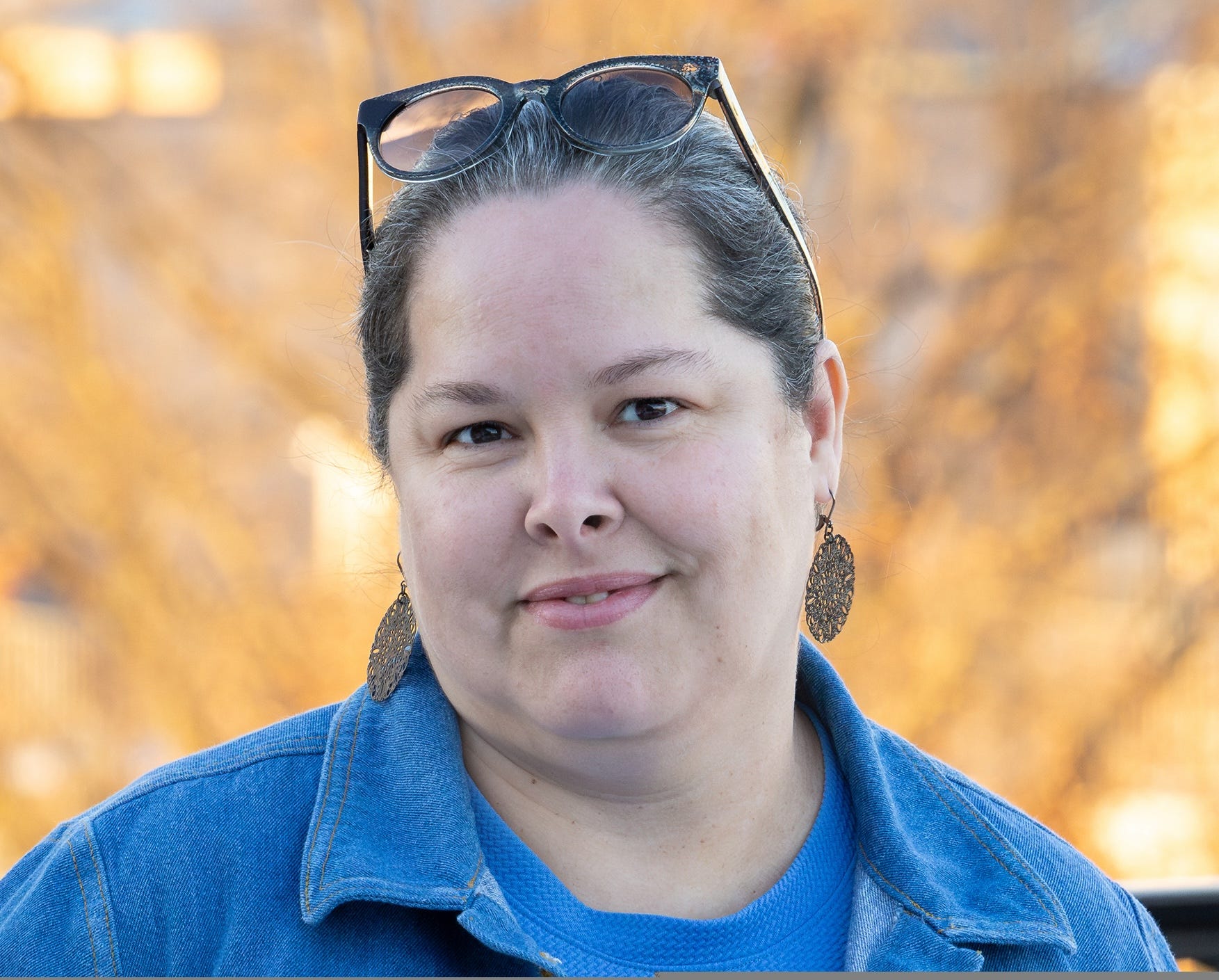
A: My name is Juneisy and I’m a food historian, food writer, and baker. When I’m not cooking, baking, or eating, I’m thinking about food or writing about food in some way. I live in New York City; Brooklyn, more specifically. I moved here eleven years ago to go to graduate school and haven’t left. Maybe never will.
I have a PhD in history from New York University, where I wrote a dissertation about trans-imperial food trade in the North American Southeast during the first half, give or take, of the 18th century. That work did not involve recipes, but I have been working with historical recipes since about 2011. That is how I started Historical Foodways when it was still a blog, writing about recipes in historical context.
Although now in the Substack form I don’t always have a recipe. Part of the reason I moved Historical Foodways from a website to Substack was because I felt a little bit stuck, as the audience I had had come to expect recipes in every post. I wanted to expand the scope of my historical food writing and a new platform felt like a bit of blank slate.
I like to think of Historical Foodways, and myself, as being at the intersection of food, history, and culture. I am Cuban and some of the work I’ve done on Historical Foodways reflects that. I now have a section for “Cuban Recipes.” In the last few years I’ve tiptoed into culinary tourism writing, which has been a wonderful way of bringing food and travel, two of my passions, together.
Q - Can you please describe the layout of your kitchen, how much of a role does it play with your family, and when writing for your publication?
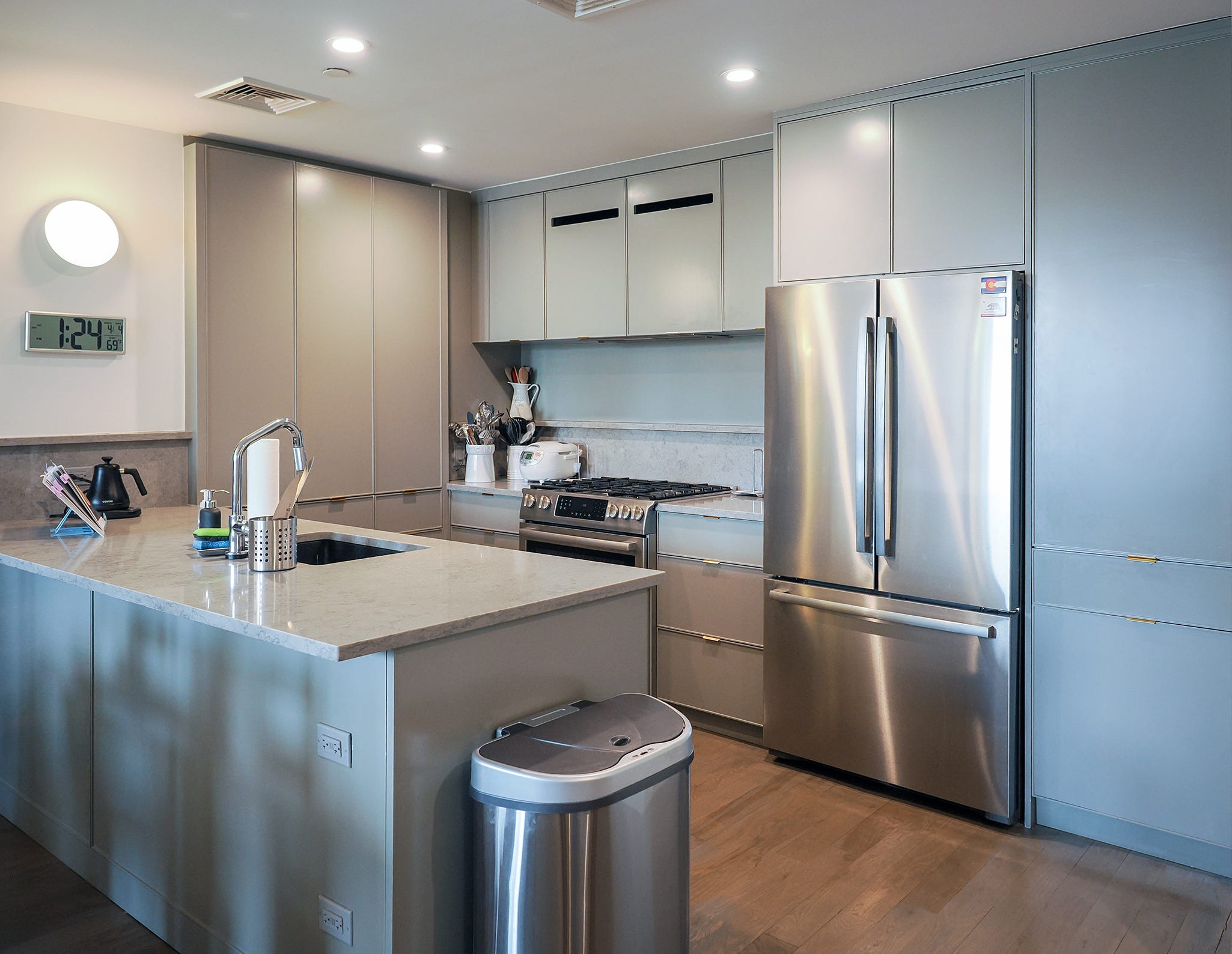
A: My kitchen is a relatively narrow galley kitchen with a wall of shallow shelves at one end that I use as pantry storage. On one side of the refrigerator, there is a deep floor-to-ceiling cabinet. The center shelf has an electrical outlet, which I think might be for something like a microwave. I use this as my appliance storage shelf.
Instead of cabinets, all of the lower storage, that is, under the counters, are deep, tall, wide drawers. I was unsure about this setup when I moved in, but in the few years I’ve lived here, I’ve come to like it. I think it works better than cabinets in terms of being able to stack and access things like pots and pans.
A neat detail is that there is a narrow but deep and very tall cabinet meant for cutting boards. I’d like to have this in every kitchen from now on! There is an OK amount of counter space, especially for New York City, but, unfortunately, the sink is right in the middle of it, cutting the space off into smaller and less useful spaces.
Like most modern kitchens, it is open to the living spaces, which I don’t love. Give me doors! I spend a lot of time there, whether I’m baking treats, making dinner, or recipe-testing for Historical Foodways or other clients. It’s a hard-working kitchen!
Absent from my kitchen is a microwave oven. We haven’t had one in ten years for no reason other than the benefits of having one do not outweigh the drawbacks of losing that much counter space. Neither of the apartments we’ve lived in here in NYC has had a microwave, and we just never bought one.
Q - What are your most used kitchen gadgets that you cannot live without?
A: I love gadgets as much as I love food so I have a lot of them. If I had to pick the one I cannot live without, I’d say it’s my stand mixer. I have an 8-quart commercial KitchenAid mixer with bowl lift. I use this pretty often for everything from the obvious cakes, cookies, breads etc. to tasks like shredding chicken and whipping potatoes. That is just with the accessories that come with the mixer; I have several optional accessories like a meat grinder, sausage maker, and pasta roller. There is very little in terms of food prep that a bowl lift KitchenAid mixer can’t do!
For all of my adult life I had made rice – which I do often – on the stove, but a couple of years ago my husband gave me a Zojirushi rice maker for my birthday and that thing is a marvel. It does take a long time to make rice, about an hour, but it makes it perfectly every time and will hold it warm as long as you need. This frees me up to do other tasks without having to monitor a pot of rice on the stove.
And I would be remiss if I didn’t mention my tiny AccuWeight Digital Gram Scale. Most kitchen scales can’t measure small amounts, and they certainly can’t measure parts of grams. But this scale, which maxes out at 300 grams, can accurately measure as little as 0.05 grams. In home kitchens, this is useful for weighing ingredients like yeast, baking soda, baking powder, etc. I use it every time I bake.
Q - You recently went to culinary school. Can you please tell us about that and your reasons for taking this career path?
A: Culinary school was definitely an adventure, especially after having taught “kids” this age when I was doing my PhD and adjunct-teaching. It was at a community college, which was a very different experience from places like the Culinary Institute of America or the Institute of Culinary Education, which I also went to for their bread baking program. The instruction was topnotch though, and the kitchens are gorgeous; I’m not disparaging it by any means!
Culinary school is something that I’ve thought about on and off my whole adult life so it wasn’t an entirely out of the blue decision. When I quit my secondary education teaching job in 2022, I decided that I was going to focus on food and (culinary) travel writing. A lot of that work is on a freelance basis, so I also looked for full-time jobs like writer and editor at food media companies, as well as recipe developer and recipe editor at meal kit companies and the like. It turned out that many of those jobs asked not just for writing and editing experience, which I have (at least the writing part), but also formal culinary training. Although I had extensive cooking and baking experience, as well as some recipe development experience as part of my historical food work, I did not have formal culinary education. After nearly two years of being unable to find the kind of full-time work I wanted, I decided to go ahead and get that formal culinary training. That’s how I landed in culinary school.
Within culinary school, I was in the baking and pastry track officially, but also took as many of the savory kitchen classes as I could. I did it for professional development, but also personal enjoyment. Although I was initially paying for culinary school out of pocket, I was awarded the Les Dames d’Escoffier New York’s Stirring the Pot Scholarship, which paid for my last semester. It was great to be recognized as the scholarship is granted to “an exceptional” female culinary student with an interest in food writing, cookbook writing, and recipe development, which were the interests that took me to culinary school in the first place.
Then, after finishing culinary/pastry school earlier this year, I went to the Institute of Culinary Education in Manhattan for their 8-week long Techniques of Artisan Bread Baking course with a bread legend as the instructor. Halfway through all of this, I returned to college teaching, albeit remotely with a limited term appointment, so I was a student and professor simultaneously, and that was interesting to say the least.
Q - How would you describe the regional cuisine where you live? Are there fresh food markets, or farmer’ markets available?
A: New York City is truly a food lover’s paradise.
Between the amazing restaurants and bakeries, the extensive choice of ethnic and specialty grocers, the farmers markets, CSAs (community supported agriculture), and the many pick-your-own type of farms within easy driving distance, I can’t imagine being in a better place. There are still some gaps in terms of available cuisines, but something new pops up in what seems like a weekly basis. But that is not to say that you can often find it all in your neighborhood. You have to travel across the city to find variety. My neighborhood, for example, has mostly Mexican restaurants, while the next neighborhood is full of Italian places. Still, I’d rather it be that way than a sea of chain restaurants, which, by the way, are not very common in most of NYC.
As for the types of foods people associate NYC with, bagels and pizza, that requires more time and space than what we have! For years, I lived across the street from one of NYC’s best bagel places, The Bagel Hole, and they are fantastic. Pre-pandemic, they had the best egg bagels in the city, in my opinion. Sadly, they stopped making them sometime in 2020 and never brought them back.
With some exceptions, I’m not a pizza person, so I really can’t comment much on that.
I would be remiss if I didn’t toot my own horn for a moment and share that I’m also doing what I can to promote local fresh food and agriculture. I’m currently a vendor at one of NYC’s farmers’ markets selling bread and other baked goods. Last year I started Línea Bakery, a microbakery in my apartment, which New York allows with registration and approval under the 20-C home processor exemption, colloquially known as cottage law. I had been doing pre-orders and pop-ups, then this year I got into the Battery Park City farmers market run by Down to Earth Markets. So, once a week, between my teaching job and just trying to have a life with my family, I turn my apartment kitchen into a production bakery and make more bread than I ever thought I could. Then I take it to market and marvel at the fact that people actually come back week after week for my bread and other treats.
While my base flour is not local, I buy King Arthur flour, my specialty grains like rye, spelt, emmer, cornmeal, etc. are sourced from regional (Northeast and Mid-Atlantic) regenerative farms and stone-milled to order less than a mile from my home in Brooklyn. My goal as my bakery grows is to move entirely to regional flour.
So if you find yourself in New York City on a Sunday morning during market season, stop by and get some bread! And while you’re at it, get some produce, fish, dairy, and more from my fellow vendors.
Q - Is there anything about your kitchen that you would like to change or improve on?
A: I rent so there really is nothing I can change. But if I could, I would move the sink to one end of the counter where it is now, making a larger workspace. I would also change the backsplash and the cabinets. They are made of the same material and no matter how much I clean, scrub, and degrease, they always look streaky and it drives me crazy. Also, the hood over the gas stove does not vent to the outside, which I think is pretty shortsighted and I would change it.
Q - What tips can you give us that will help keep our kitchens neat and tidy and easy to manage?
A: Start cooking with a clean kitchen and clean as you go as much as possible. If you have a dishwasher, start with an empty dishwasher so you can load as you go. This makes the cleaning afterwards so much less daunting. I find a messy kitchen overwhelming and difficult to work in, so learning to clean as I go has been a game changer. It’s not always possible to clean absolutely everything, of course, but anything you can do is better than being faced with a mountain of dirty pots, pans, and utensils after dinner when all you want to do is sit down and relax.
I have a gas stove, which is notorious for being difficult to clean. I’ve learned that the best way to get rid of stubborn burnt-on food and fat is using a small pressure steamer to loosen up the gunk. You still need some elbow grease and a rough sponge to scrub, but nowhere near as much as without the steam.
Q - Do you have a favourite recipe that you would like to share with us?
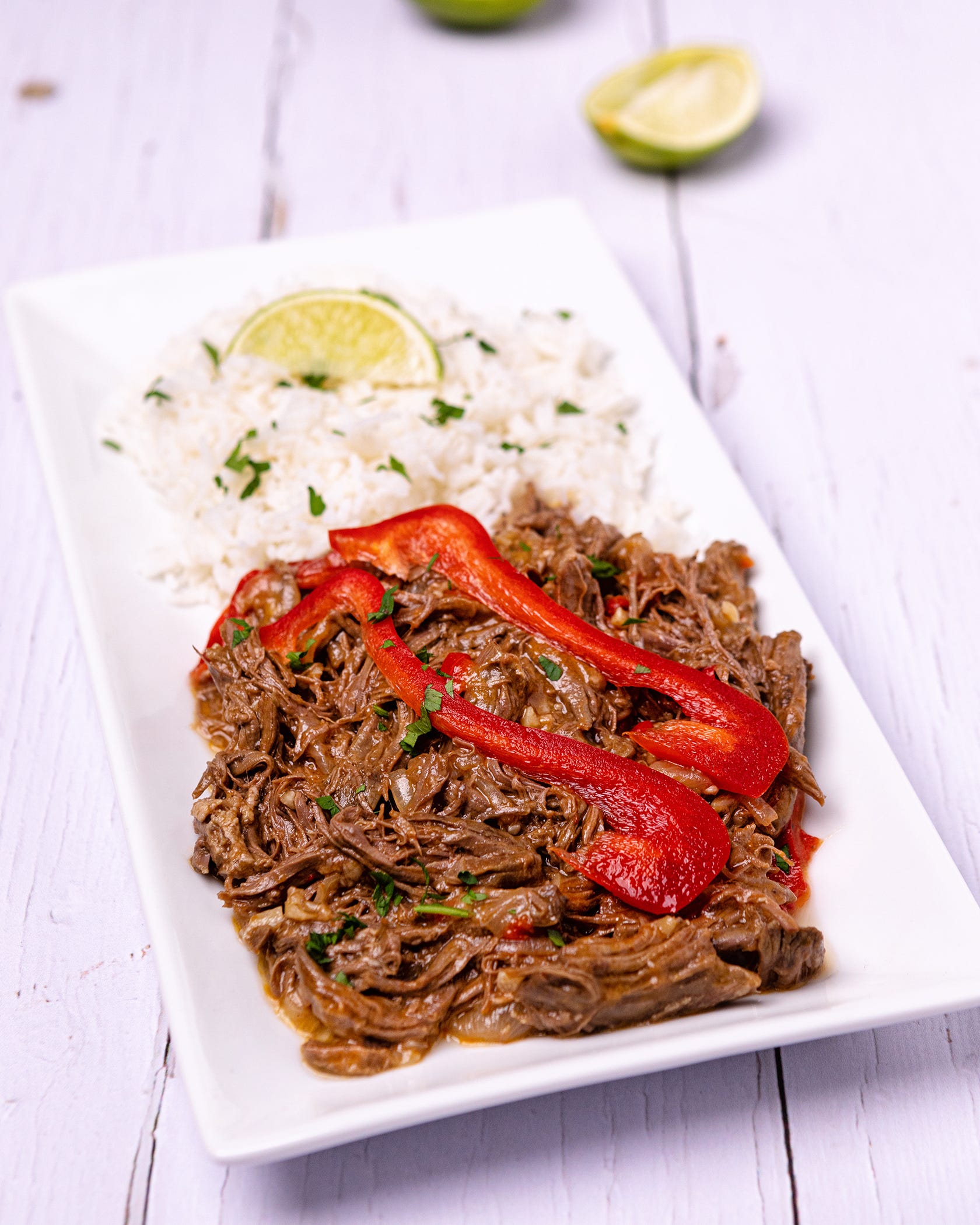
A: Yes! This recipe, called Ropa Vieja (literally “old clothes”) is a translation and adaptation from a very popular Cuban cookbook called ‘Cocina Criolla’. I’ve changed some things because I think they work better, and others for better work flow. I make this often because it’s one of my favorite things to eat. Too bad that the price of skirt steak has skyrocketed the way that it has. You can serve it over rice.
Ropa Vieja
2 lbs beef skirt steak [you may use flank]
1 whole onion
2 whole carrots
a few parsley sprigs
1 tsp peppercorns
For the sauce:
1/3 cup of olive oil
1 onion
2 garlic cloves
1 red bell pepper
1 8oz-can of tomato sauce
1 tsp of salt
1 bay leaf
1/2 cup of dry cooking wine (Cubans use something called vino seco, which is seasoned)
Method
Remove as much of the fat and gristle from the beef as you can and place it in a large pot with the onion, carrots, parsley, and peppercorns. Cover with plenty of water, enough so that the beef is submerged for the cooking process.
Bring it to a boil, then reduce the heat and simmer, uncovered, for an hour and a half to two hours, until the beef is fork-tender. Some foam may float to the top during simmering, skim it off as best you can.
When the beef is cooked, remove it from the liquid and place it on a cutting board. Discard the vegetables and peppercorns, strain the broth and save it for another time.
Shred the beef into thin strands.
Slice the onion and the bell pepper. Crush the garlic cloves and cook them in hot oil with the onion, then add the bell pepper and cook them a bit longer, until they start to soften.
Add the rest of the ingredients [including the beef] and cook, covered, on low heat for 20 minutes, stirring occasionally so it doesn’t stick
Q - Have you had any kitchen disasters that you can share with us?
A: Thankfully, I haven’t had many. There is one that comes to mind because it has been the most egregious one.
I was working on a recipe from the ‘Book of Sent Soví,’ a 14th-century Catalan culinary text, that required me to blend almonds with the liquid from poaching squid. I poured the squid broth and almonds into the blender, plugged the blender in, and was immediately showered with the seafood concoction. I had not put the lid on and the blender button was set to ON, so when I plugged it in, it immediately started blending, sending squid-flavored sludge into every inch of my kitchen and of me. The spectacle was aggravated by the fact that I was stunned for a few seconds, frozen in disbelief, as the blender kept spinning and broth kept raining down. By the time I pulled the plug, the damage was done. It was a nightmare to clean and you better believe I haven’t made the same mistake again!
Thank you so much for inviting us into your kitchen, Juneisy. Visit and subscribe to Historical Foodways.
Read more in the Q&A Series